
January 22, 2026
Exactly What to Say: The Magic Words That Shape Better Conversations

Words matter more than we often realise.
In sales, leadership, coaching, and everyday conversations, the words we choose can either create resistance or open doors. The right phrase, delivered at the right moment, can reduce friction, build trust, and help people move forward confidently, without pressure or manipulation.
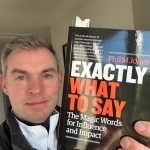
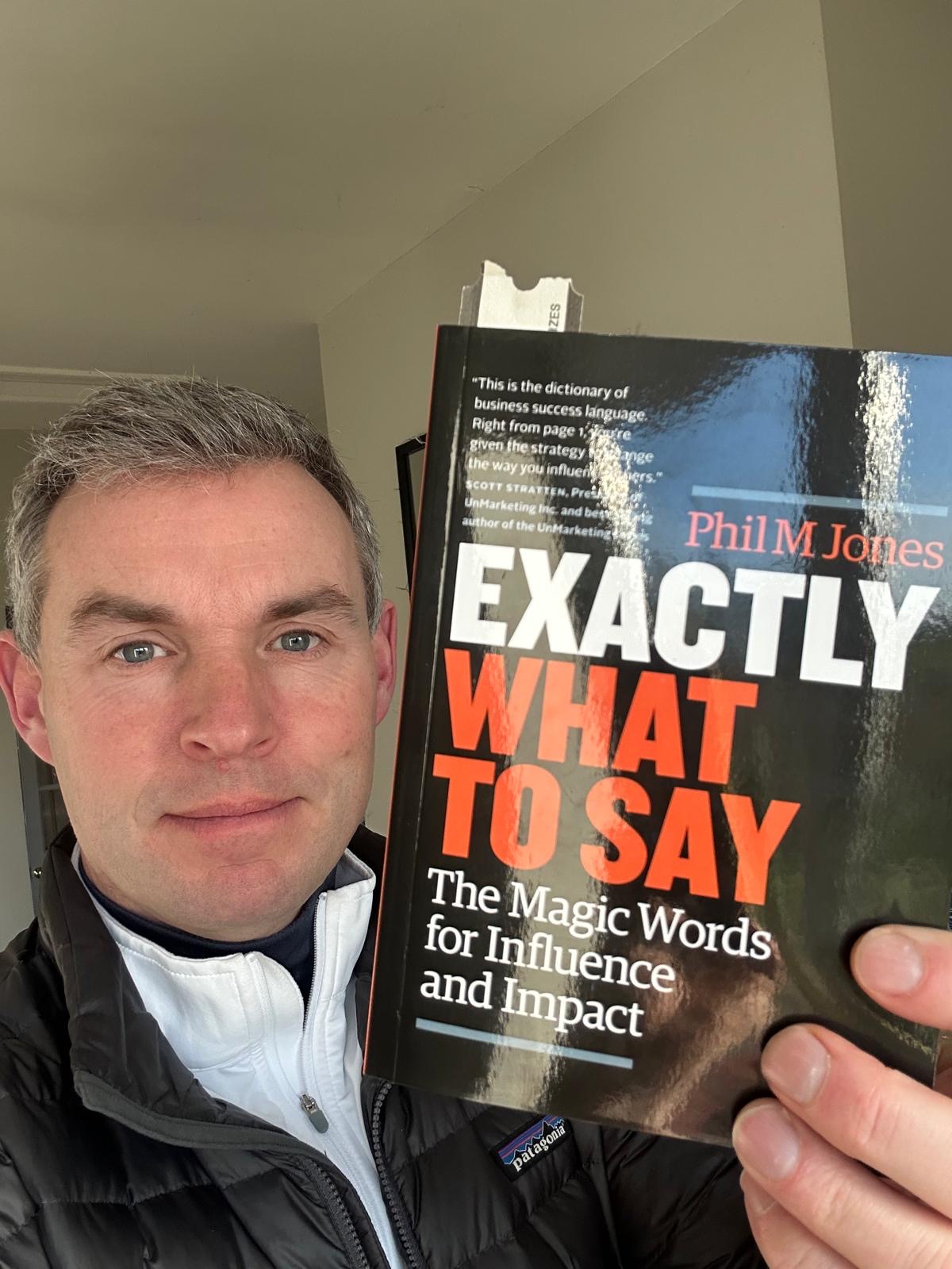
That’s the central theme of Exactly What to Say by Phil M Jones, a book that breaks down the subtle language patterns that influence how people think, feel, and act.
The brilliance of Exactly What to Say lies in its simplicity.
Rather than complex psychology, sales scripts, or rigid formulas, Phil focuses on short, carefully framed phrases, what he calls “magic words”. These phrases speak to the subconscious mind and help conversations flow more naturally. Used well, they make decision-making feel easier and more comfortable for everyone involved.
Before diving in, a quick thank you to Stephen Brown, who kindly shared a copy of the book to read and review. It’s one of those rare reads that’s easy to get through, immediately practical, and surprisingly powerful once you start spotting these phrases in real conversations.
Below is a summary of some of the key “magic words” Phil highlights — and why they work.
The Magic Words for Influence and Impact
These phrases aren’t about forcing outcomes. They’re designed to guide conversations, lower barriers, and help people reach decisions they feel genuinely good about.
1. “I’m not sure if it’s for you, but…”
Instantly reduces pressure and sparks curiosity. When resistance drops, engagement rises.
2. “Would you be open-minded about…?”
Invites openness without demanding agreement — a subtle but powerful shift.
3. “What do you know about…?”
Encourages the other person to talk, revealing their understanding and assumptions.
4. “How would you feel if…?”
Moves the conversation from logic to emotional visualisation.
5. “Just imagine…”
Helps people mentally experience outcomes before they happen.
6. “When would be a good time…?”
Assumes agreement and gently nudges the conversation towards action.
7. “I’m guessing you haven’t got around to…”
A non-judgemental prompt that encourages follow-up without blame.
8. “What questions do you have for me?”
A subtle language shift that invites engagement while maintaining control.
9. “As I see it, you have three options…”
Reduces overwhelm by framing decisions as clear, manageable choices.
10. “There are two types of people in this world…”
Encourages self-identification and naturally leads towards a decision.
11. “I bet you’re a bit like me…”
Builds rapport by creating a sense of similarity and understanding.
12. “If… then…”
Creates logical progression and makes outcomes feel inevitable.
13. “Don’t worry…”
Simple reassurance that lowers anxiety and tension.
14. “Most people…”
Uses social proof to normalise behaviour and reduce fear of standing out.
15. “The good news is…”
Frames information positively before addressing challenges or objections.
16. “What happens next…”
Removes uncertainty by offering clarity and direction.
17. “What makes you say that?”
Invites deeper explanation and handles objections without confrontation.
18. “Before you make your mind up…”
Keeps the door open and prevents premature decisions.
19. “If I can…, will you…?”
Creates a fair, balanced conditional agreement.
20. “Would… be enough…?”
Clarifies expectations around value, quantity, or commitment.
21. “Just one more thing…”
Keeps conversations flowing and allows additional ideas to land naturally.
22. “You couldn’t do me a small favour, could you?”
A soft request that leverages reciprocity.
23. “Just out of curiosity…”
Encourages honesty and uncovers true motivations or objections.
What makes Exactly What to Say so effective is that none of these phrases feel scripted or salesy when used properly. They’re small, intentional tweaks to everyday language, but they create disproportionately powerful results.
Whether you’re an estate agent, these “magic words” are tools you can start using immediately. Once you become aware of them, you’ll hear them everywhere, and you’ll notice how much smoother conversations become when you choose your words with intention.
Thanks again to Stephen Brown for the opportunity to read and review this book. It’s a practical reminder that sometimes, the difference between resistance and agreement really does come down to exactly what you say.